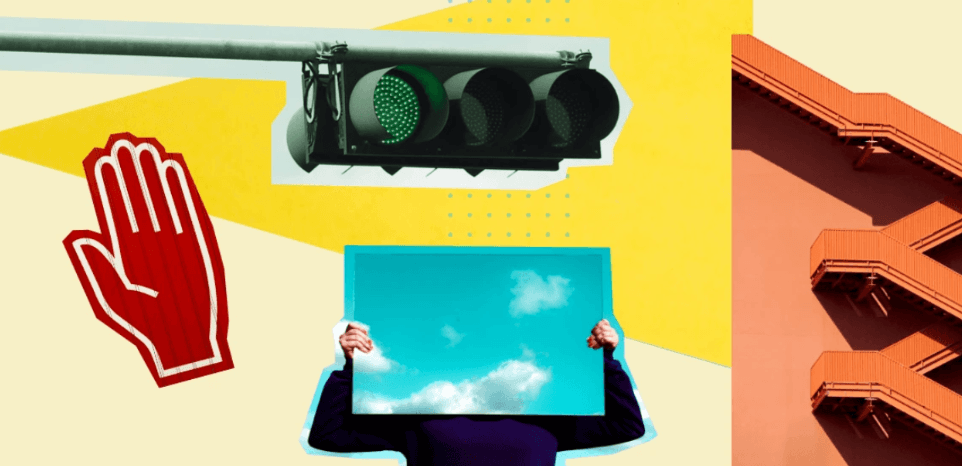
The answer to that is: traffic lights, cooked vegetables, and camouflage.
All of these work on the organisational principle of colour. Precisely: coding, categorising and labelling, all of which form important functional aspects of visualising data in our everyday lives.
Apart from the obvious civic, domestic and military investment in using colour, the commencement of colour photography in 1935 generated a mass interest in the study of colour. This study of colour reproduction also led to training in reading lighter and darker tones.
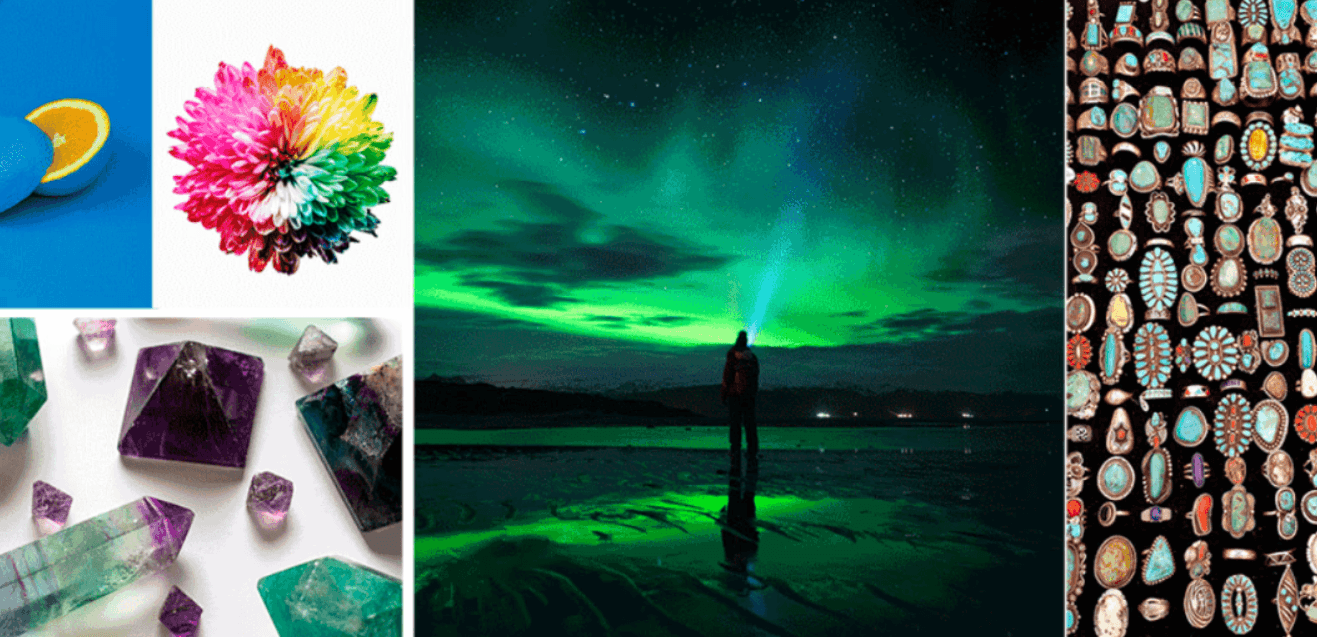
As we venture back in time, we come across volumes written about journeys of coloured gems and unique pigments: passionate men and women traded these gems and pigments for jewellery, painting and textiles.
Perhaps it is not surprising then that people share a rich emotional resonance with colour. Colour contexts and relationships are not just rooted in place and culture but also shift over time. Where one resides, as well as people’s personal interaction with certain colours generate specific associations with colour. These are also factors that one must account for when talking about colours.
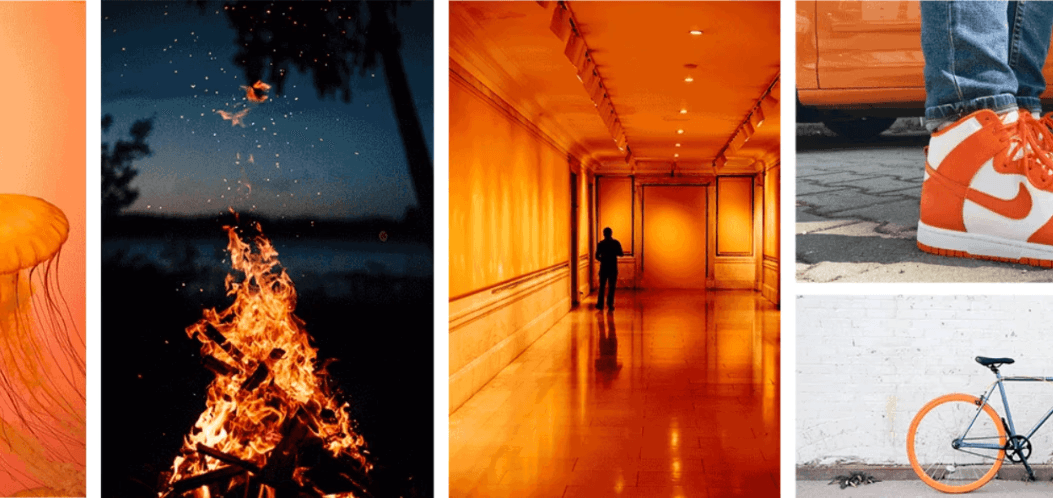
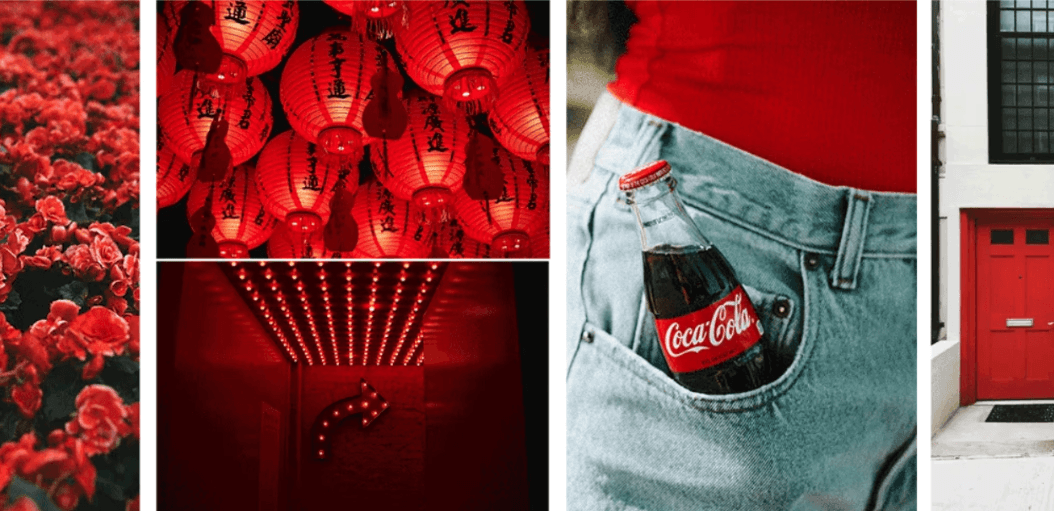
Try a simple word association game with a particular colour in different parts of the world, and you’ll learn a thing or two about how colours can elicit ‘positive’ and ‘negative’ associations, depending on the geographic and socio-cultural context.